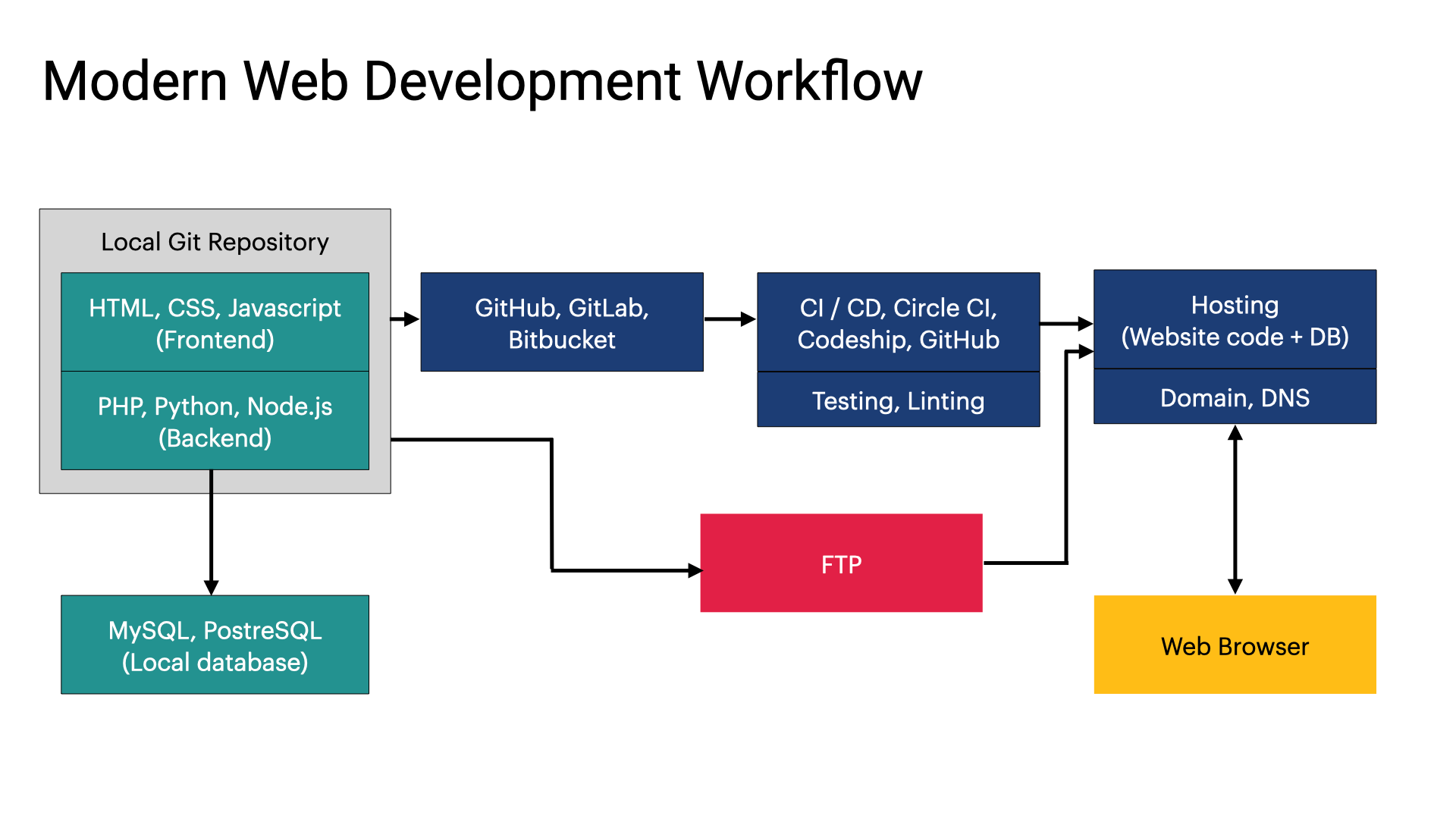

Frontend development refers to the part of web development that focuses on everything users see and interact with on a website or application. In simple terms, Frontend is the visual and interactive layer of the web. It includes layouts, buttons, forms, animations, and overall design responsiveness.
The importance of Frontend has grown rapidly as users expect fast, beautiful, and mobile-friendly experiences. A well-built Frontend can improve user engagement, trust, and conversion rates. Even the most powerful backend system can fail if the Frontend is confusing or slow.
Modern Frontend development combines creativity with logic. Developers must think like designers while writing efficient, clean code that runs smoothly across devices and browsers. This balance makes Frontend both challenging and exciting.
HTML (HyperText Markup Language) forms the skeleton of every website. It defines headings, paragraphs, images, links, and semantic structure that browsers understand.
CSS (Cascading Style Sheets) controls how content looks. It manages colors, fonts, spacing, layouts, and responsiveness. Modern CSS tools like Flexbox and Grid make complex layouts easier than ever.
JavaScript brings life to the Frontend. It enables animations, dynamic content updates, form validation, and real-time interactions. Without JavaScript, most modern web apps wouldn’t function.
Modern Frontend development relies heavily on frameworks and libraries to speed up development and improve code quality.
These tools help developers build scalable and maintainable Frontend applications efficiently.
Frontend developers must understand HTML, CSS, JavaScript, responsive design, browser compatibility, and performance optimization. Knowledge of APIs and basic backend concepts is also helpful.
Communication, problem-solving, and attention to detail are critical. Frontend developers often work closely with designers and backend teams, so collaboration matters.
Frontend focuses on user experience, while backend handles servers, databases, and application logic. They work together to deliver complete web solutions. A smooth connection between Frontend and backend ensures fast, secure, and reliable applications.
These tools streamline Frontend workflows and improve productivity.
Frontend is one of the most in-demand tech careers today. Beginners usually start with HTML and CSS, move to JavaScript, then learn frameworks. With experience, developers can become senior Frontend engineers, UI architects, or full-stack developers.
According to industry reports, Frontend developers earn competitive salaries globally. For updated salary insights, you can explore resources like the official developer surveys from Stack Overflow: https://stackoverflow.com.
Frontend is evolving rapidly. AI-assisted coding, component-driven design systems, Web3 interfaces, and Progressive Web Apps are shaping the future. Accessibility and performance will remain top priorities as user expectations continue to rise.
1. What does Frontend mean in web development?
Frontend refers to the part of a website users see and interact with directly.
2. Is Frontend development hard to learn?
Frontend is beginner-friendly but mastering it takes time and practice.
3. Which language is best for Frontend?
JavaScript is the most important language for Frontend development.
4. Can I get a job with only Frontend skills?
Yes, many companies hire dedicated Frontend developers.
5. How long does it take to learn Frontend?
Basic skills can be learned in 3–6 months; mastery takes longer.
6. Is Frontend still in demand?
Absolutely. Demand for Frontend developers continues to grow worldwide.
Frontend development is the heart of user experience on the web. From simple websites to complex applications, Frontend plays a vital role in shaping how users interact with technology. Learning Frontend opens doors to creative, rewarding, and future-proof career opportunities.